AMOVELLE Beauty
Contouring has become a staple in makeup artistry, helping individuals achieve defined facial features. According to a report by Grand View Research, the global makeup market is projected to reach $805.61 billion by 2023. As contouring gains popularity, mastering how to use makeup brushes for contouring is essential for achieving a flawless finish.
Makeup brushes play a crucial role in developing an even application. They allow for greater precision and blending compared to fingers or sponges. However, many still struggle with brush techniques. Studies show that understanding different brush types can enhance application skills. For instance, a dense brush will pack on product, while a fluffy brush offers seamless blending. With so many options available, choosing the right brush may seem overwhelming.
Embracing deliberation in makeup practice is key. Many users notice visible streaks or harsh lines due to improper brush techniques. This reflects the need for continuous learning and experimenting with brushes to find the perfect match for individual features. Prioritizing brush upkeep and hygiene is essential for achieving the best results. Ultimately, mastering how to use makeup brushes for contouring can significantly improve one’s makeup game and boost confidence in daily applications.
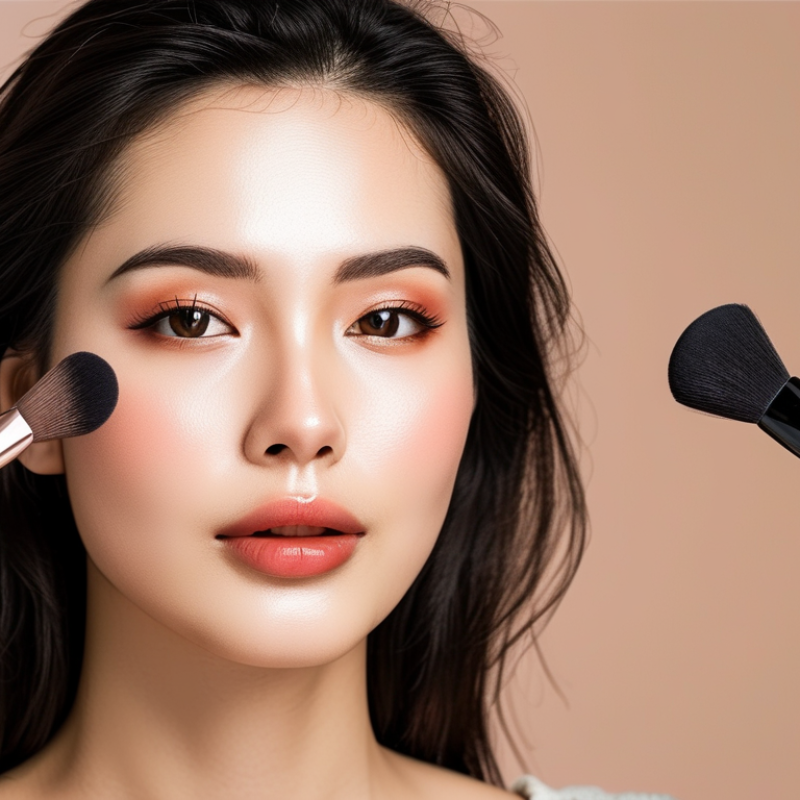
Choosing the right makeup brushes for contouring can transform your look. Not every brush will give you the definition you need. A good contouring brush should be dense yet soft. Look for brushes with varying shapes and sizes to achieve the perfect blend.
A contour brush with an angled edge is ideal for precise application. It allows you to sculpt the cheekbones effectively. On the other hand, a fluffy brush can help with blending contour seamlessly into the skin. Testing brushes before purchasing is wise, as the feel can vary greatly.
Don't be afraid to try new brushes. Some may feel unusual initially. It may take time to find the right tools that suit you. Remember, it’s okay if your contour isn't perfect right away. Makeup is all about practice and exploration. What's key is finding what feels right for you.
Choosing the right makeup brush for contouring can significantly impact your overall look. Different brush shapes serve unique purposes. A tapered brush, for instance, excels at creating precise lines. Its fine bristles allow for targeted application along the cheekbones. Many users, however, often overestimate their control with this brush. Practice is essential to master its use.
A flat-top brush is ideal for blending out contour products. Its dense bristles create an airbrushed finish. Unfortunately, some may apply too much pressure, leading to uneven results. It's important to use a light hand and build up the product gradually. Additionally, a fan brush offers a soft way to apply highlighter. Despite its delicate design, it can be tricky to navigate. Users often miss the intended spots, making practice key.
The shape of a brush can make all the difference. Understanding their functions enhances your makeup application. Experimenting with different brushes is beneficial, but remember: imperfections are part of the journey. Embrace the learning curve and let it guide your contouring skills. Use these insights to refine your techniques and achieve that desired sculpted look.
Contouring with makeup brushes can elevate your beauty routine significantly. To achieve a flawless look, start with the right brush types. A flat brush is great for applying cream products, while a fluffy brush is best for blending powders. According to industry reports, 75% of makeup professionals recommend using brushes rather than sponges for contouring. This can lead to a more precise application and a defined finish.
Begin with a well-prepped base. Apply foundation prior to contouring. Use a darker shade to create shadows under the cheekbones and along the jawline. Lightly tap the brush into the product. Blending is essential; harsh lines can ruin your look. The goal is soft, subtle definition. The makeup industry suggests practicing your technique, as not every attempt will yield the desired results. Understanding your face shape is crucial, and this may take time.
Consider how angles and lighting affect your contouring. What works in daylight may not suit dim lights. Reflection is key; some users may find their contour looks too harsh or unnatural in photos. Assessing the outcome helps refine your method over time. It’s not uncommon to feel uncertain, but persistence leads to improvement. Each brush stroke counts toward mastering the art of contouring, making this skill invaluable.
Mastering the art of contouring requires more than just the right products; blending techniques are crucial for achieving a flawless finish. According to a study from the International Journal of Cosmetic Science, nearly 70% of makeup users emphasize the importance of blending. A common oversight is neglecting to choose the right brush for the specific areas of the face. A flat brush may work for wider areas, but a small, tapered brush is essential for precise application on the nose and jawline.
Using circular motions can enhance the blending process. This technique minimizes harsh lines and creates a seamless look. A report from the Cosmetic Research Association indicates that proper blending can improve the appearance of makeup by up to 50% in terms of smoothness and natural finish. However, many people struggle with this. They apply too much product or rush the blending routine, leading to an uneven look that draws attention to imperfections rather than enhancing natural beauty.
Moreover, damp sponges are effective tools for final touches. They can lift excess product while maintaining pigment intensity. Not everyone realizes that using a damp tool can yield a lighter, more radiant contour. Mistakes are part of the learning curve. Don't be afraid to experiment with techniques until you find what works best for you. Embrace the imperfections; they can lead to a more personalized makeup routine.
Cleaning your makeup brushes is essential for flawless contouring. Dirty brushes harbor bacteria, leading to skin issues like breakouts. Keep in mind that even the best makeup products won't perform well with unclean tools. Regular cleaning ensures even product application. It improves the overall result of your makeup routine.
To clean your brushes, use gentle soap or brush cleaner. Wet the bristles under lukewarm water, avoiding the ferrule. Apply cleaner, then gently swirl the brush in your palm. Rinse well until the water runs clear. Allow your brushes to air dry on a clean towel. This process can take time, but it is worth the effort. Remember, neglecting your brushes means you might not achieve the perfect contour.
Maintaining your brushes is equally important. Store them upright to prevent bristle damage. Keep them in a cool, dry place away from direct sunlight. Regular inspection helps you spot wear. Brushes may shed or lose their shape over time, which can affect makeup application. Embrace these imperfections as part of the journey to mastering your skills.
| Brush Type | Best Use for Contouring | Cleaning Method | Maintenance Tips |
|---|---|---|---|
| Angled Brush | Ideal for applying cream or powder contour to the hollows of the cheeks. | Wash with gentle soap and lukewarm water, rinse thoroughly. | Store horizontally to avoid bristle damage. |
| Flat Brush | Perfect for precise application of contouring products along the jawline. | Use brush cleaner spray for quick cleaning between uses. | Regularly reshape bristles after washing. |
| Blending Brush | Essential for blending contour lines for a seamless finish. | Soak in a mixture of olive oil and dish soap, then rinse. | Avoid using too much pressure while blending to maintain brush shape. |
| Dome Brush | Best for softening contour lines and highlighting cheekbones. | Clean with warm soapy water; rinse well and lay flat to dry. | Use a brush guard to keep bristles in shape when storing. |
: Look for dense yet soft brushes of different shapes and sizes for blending.
An angled contour brush is ideal for precise application on cheekbones.
Good blending minimizes harsh lines and creates a seamless look.
Using circular motions can help achieve a smoother finish.
Use a smaller, tapered brush for precise areas like the nose and jawline.
Embrace imperfections; practice and experimentation lead to improvement.
Dirty brushes can cause skin issues and affect makeup application.
Regular cleaning is essential for the best results and a flawless look.
Allow brushes to air dry on a clean towel after washing.
Store brushes upright in a cool, dry place to prevent damage.
In the quest for perfect contouring, understanding how to use makeup brushes for contouring is essential. The process begins with choosing the right brushes that suit your contouring needs, as different shapes and sizes serve various functions, from precise application to blending. Familiarizing yourself with these brush shapes will help ensure that you have the best tools for creating depth and definition on your face.
Once you have your brushes ready, a step-by-step guide can lead you through the application process. Start by applying contour cream or powder in the appropriate areas, then utilize blending techniques to achieve a seamless finish. Proper cleaning and maintenance of your brushes are also crucial to ensure their longevity and optimal performance. By following these tips, you can master the art of contouring and enhance your makeup skills effectively.
