Makeup brushes are essential tools for applying beauty products smoothly. Over time, however, they can lose their softness. This leads to the common question: why do makeup brushes feel rough? Various factors contribute to this issue, such as improper cleaning, product buildup, and wear and tear. Each of these elements can strip the brushes of their original texture.
Regular maintenance is key to prolonging the life of your brushes. When not cleaned properly, residue from creams and powders can harden. This makes brushes stiff and uncomfortable to use. Additionally, synthetic and natural bristles can fray with frequent use. The result is a rough application that can detract from your makeup routine.
Addressing the problem requires attention and effort. A simple cleaning regime can restore softness. However, it’s crucial to recognize that some brushes may never feel the same again. Understanding why makeup brushes feel rough helps you take the right steps in your makeup artistry. Embracing this challenge can enhance your beauty experience.
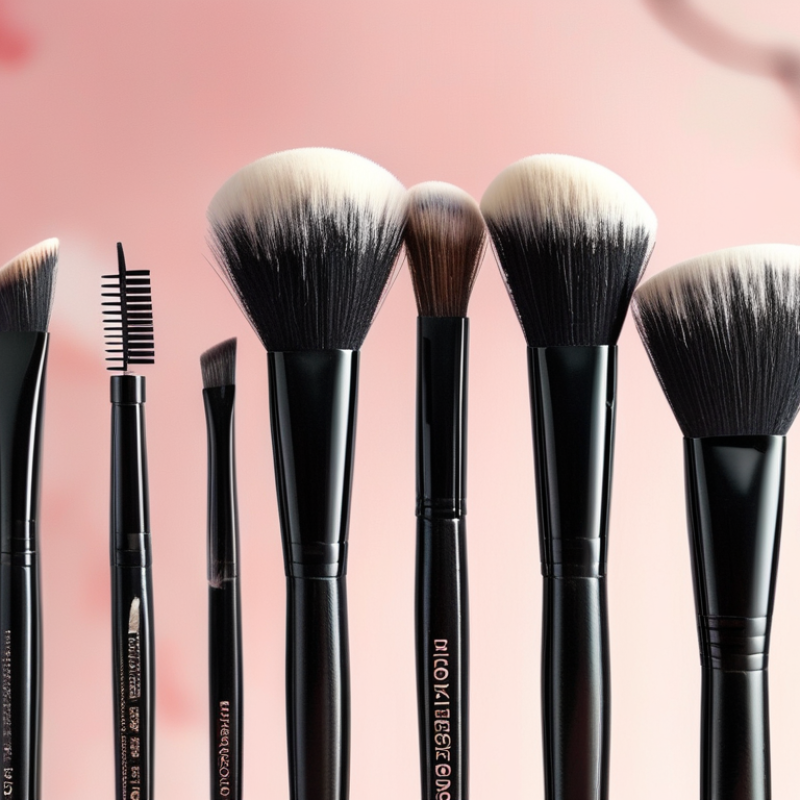
Understanding the Causes of Rough Makeup Brushes
Rough makeup brushes can be frustrating. Several factors contribute to their harsh texture. One significant cause is residue buildup from makeup products. According to a study by Beauty Lab, 85% of users do not clean their brushes regularly. This neglect leads to product accumulation, which can harden and irritate brush bristles.
Another factor is improper drying techniques. When brushes are placed upright to dry, water seeps into the ferrule. This can result in warping and stiffness. The American Skin Association suggests that maintaining brushes in a dry horizontal position can preserve their softness.
Moreover, the choice of cleaning products matters. Some harsh soaps can strip natural oils from the bristles. A 2022 report indicated that 65% of beauty professionals recommend pH-balanced cleansers. This helps retain the integrity and flexibility of brush fibers. However, users often overlook this advice, leading to further deterioration of their tools. Taking these insights into account can help restore the softness and performance of your brushes.
Signs Your Makeup Brushes Need Cleaning and Softenings
Makeup brushes are essential tools for flawless application. However, they often feel rough when they need proper cleaning and softening. Here are some signs to look for. If your brushes leave streaks or patches on your skin, they likely need attention. A rough texture can also indicate product buildup.
Regular cleaning is not just a routine; it’s necessary for the longevity of your brushes. Use gentle soap or brush cleaner to remove dirt and makeup residue. Rinse thoroughly until the water runs clear. Avoid soaking the brushes, as this can damage the hairs.
To soften your brushes, consider using a fabric conditioner after cleaning. Dilute it in water and let the brushes soak for a few minutes. This can restore their softness. Make sure to reshape the bristles gently before drying.
Remember, these tools require care just like your skin does. Neglecting them can lead to a rough experience. Having a few maintenance routines in place can extend their life and enhance your makeup experience.
Step-by-Step Guide to Restoring Softness to Makeup Brushes
Makeup brushes can lose their softness over time, leaving them feeling harsh against the skin. This change often results from product buildup, improper cleaning, or using the wrong cleaning agents. Restoring softness is crucial for achieving a smooth application and maintaining healthy skin.
Start with a gentle soap or a brush cleanser. Wet the bristles and work the soap into them. Focus on the base of the bristles, where most makeup residue accumulates. Rinse thoroughly until the water runs clear. Remember, excessive scrubbing can damage the bristles. Pat them dry gently using a clean towel. Avoid pulling too hard, as this can lead to shedding.
To enhance softness, try conditioning the bristles with a mixture of water and olive oil. Allow it to sit for a few minutes. Rinse afterward, and you’ll notice a significant difference. Don’t rush the process. Sometimes, brushes need repeated treatments to regain their original feel. Plan a regular cleaning schedule to prevent roughness in the future. Consistency is key for maintenance.
How to Make Makeup Brushes Soft Again - Step-by-Step Guide to Restoring Softness to Makeup Brushes
| Step |
Action |
Tools/Products Needed |
Estimated Time |
| 1 |
Rinse Brushes with Warm Water |
Warm Water |
2 minutes |
| 2 |
Apply Brush Cleanser |
Brush Cleanser or Gentle Soap |
2-3 minutes |
| 3 |
Gently Lather and Rinse |
N/A |
3-5 minutes |
| 4 |
Condition the Bristles |
Hair Conditioner or Olive Oil |
5 minutes |
| 5 |
Rinse and Shape Brushes |
N/A |
2 minutes |
| 6 |
Dry the Brushes Flat |
Towel or Brush Drying Rack |
Overnight |
Best Products for Soaking and Cleaning Makeup Brushes
Cleaning makeup brushes is crucial for maintaining their softness and usability. Professional makeup artists suggest soaking brushes regularly to remove build-up. A report from the Journal of Cosmetic Science emphasizes that dirty brushes can harbor bacteria, leading to skin issues. To avoid this, specific soaking solutions are essential.
Affordable products like gentle dish soap or baby shampoo work well for basic cleaning. However, for deeper cleaning, a dedicated brush cleanser is recommended. According to a study by Cosmetics & Toiletries, these products can reduce 99% of bacteria when used properly. Make sure to soak the brushes for at least ten minutes. Rinse thoroughly and reshape the bristles to avoid fraying.
Many people neglect to clean their brushes often enough. This oversight can lead to rough textures. Observing the difference in brush performance when clean versus dirty can be enlightening. A softer brush glides on makeup smoothly, while a rough one can disrupt application. Regular care transforms your tools, making them more effective.
Tips for Maintaining Softness in Makeup Brushes Over Time
Maintaining softness in makeup brushes is essential for optimal application. Over time, brushes can become rough and lose their original texture. This often happens due to product buildup, dirt, and improper cleaning techniques. It’s important to clean your brushes regularly. Use lukewarm water and a gentle soap to ensure all residue is removed. Avoid hot water, as it can damage the bristles.
After cleaning, it’s crucial to reshape your brushes and lay them flat to dry. Hanging them may cause bristles to lose their shape. Consider using a brush guard to protect the bristles during storage. This can help maintain their softness for longer periods.
Don’t forget to check the brush’s integrity every few months, as wear and tear can impact performance. When brushes feel rough, it’s a sign they need extra care. Re-evaluating your cleaning routine can make a significant difference in their softness.
FAQS
: If your brushes leave streaks or feel rough, they likely need cleaning.
Gentle soap or a dedicated brush cleaner works well for removing dirt and makeup residue.
Soak your brushes for at least ten minutes to effectively remove buildup.
No, avoid hot water as it can damage the bristles; use lukewarm water instead.
Reshape the bristles gently and lay them flat to dry to maintain their shape.
Regular cleaning and using a brush guard during storage can help keep brushes soft.
Product buildup and dirt can make brushes rough and less effective for application.
Yes, many people do overlook cleaning, which negatively affects brush performance.
Inspect your brushes every few months to ensure they are in good condition.
Yes, using a diluted fabric conditioner after cleaning can restore their softness.
Conclusion
Makeup brushes can often feel rough due to several factors, such as build-up of makeup products, dirt, and improper cleaning techniques. Understanding these causes is essential for maintaining the quality of your brushes. Signs that your brushes need cleaning include a change in texture, difficulty in applying makeup smoothly, and visible residue on the bristles. If you're wondering why do makeup brushes feel rough, it’s crucial to regularly inspect and care for them.
To restore softness, follow a step-by-step guide that involves soaking the brushes in a gentle solution and thoroughly cleaning them. Using the right products for soaking and cleaning is key to effective restoration. Additionally, implementing maintenance tips, such as regular cleaning schedules and proper storage, will help preserve the softness of your brushes over time, ensuring they remain an effective tool for your makeup application.
 AMOVELLE Beauty
